

Dubai’s new $35bn airport promises a future without security queues
Biometric technology will allow passengers to move through terminals with fewer stops
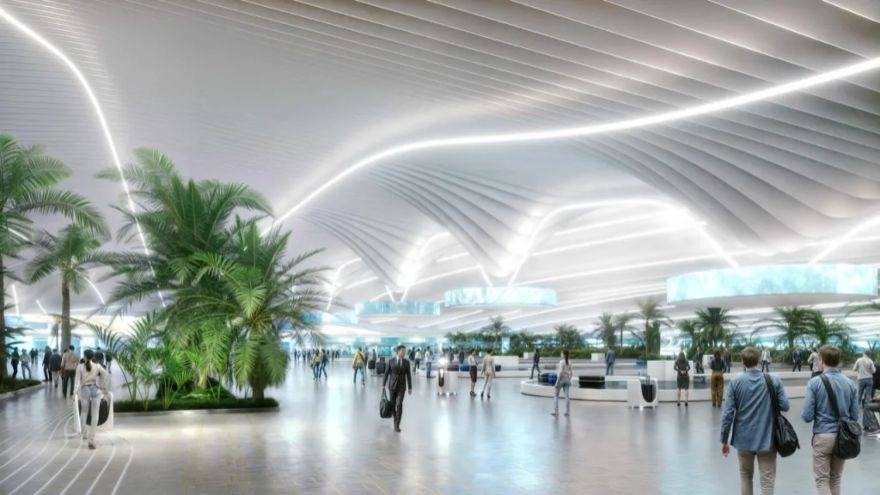
DUBAI – Dubai is planning an airport where passengers could walk through security without joining a traditional queue.
The Al Maktoum International Airport is being designed to use artificial intelligence and biometric facial scanning to identify and clear travellers as they move through the terminal. The technology is part of a wider vision for the $35 billion megaproject, which is expected to become the world’s largest airport when its first phase begins operations in 2032.
The airport, located at Dubai World Central, is being built around a radically different passenger experience in which stopping at multiple checkpoints could become largely unnecessary. Dubai Airports CEO Paul Griffiths has described the concept as a “no red lights” airport, with passengers ultimately able to move through check-in, immigration, security and customs without conventional queues.
Biometric screening
Under the planned system, biometric technology would capture a passenger’s identity and allow cameras embedded throughout the terminal to recognise them as they move. Griffiths has described a model based on a single biometric capture rather than requiring travellers to repeatedly present documents or stop at different checkpoints.
Passengers cleared by the system would continue towards their gates, while those flagged for additional screening could be directed for discreet checks. The concept is intended to remove much of the familiar airport routine, including repeated document checks and the conventional security process involving belts, shoes and other items.
The technology is already being trialled at Dubai International Airport, with Dubai Airports planning to scale suitable systems to Al Maktoum as the new facility takes shape.
The airport is also being designed with off-site baggage drop facilities. Engineers and officials cited in reports have described a proposed “15-minute rule” for returning checked luggage after landing, although a public timetable for introducing each of these features has not been provided.
Huge capacity
The scale of Al Maktoum is designed to match its ambitions. The UAE Government Media Office has put the approved passenger terminal investment at Dh128 billion, with the completed airport planned to accommodate up to 260 million passengers a year and handle 12 million tonnes of cargo.
Griffiths has said the airport is expected to process up to 360 flights an hour. Construction is gathering pace, with $11.7 billion in contracts reported to be out to tender and $2.8 billion already awarded.
The airport will feature five runways, two passenger terminals, seven concourses and around 430 aircraft stands. Its overall site covers more than 70 square kilometres, making the project one of the largest aviation developments ever undertaken.
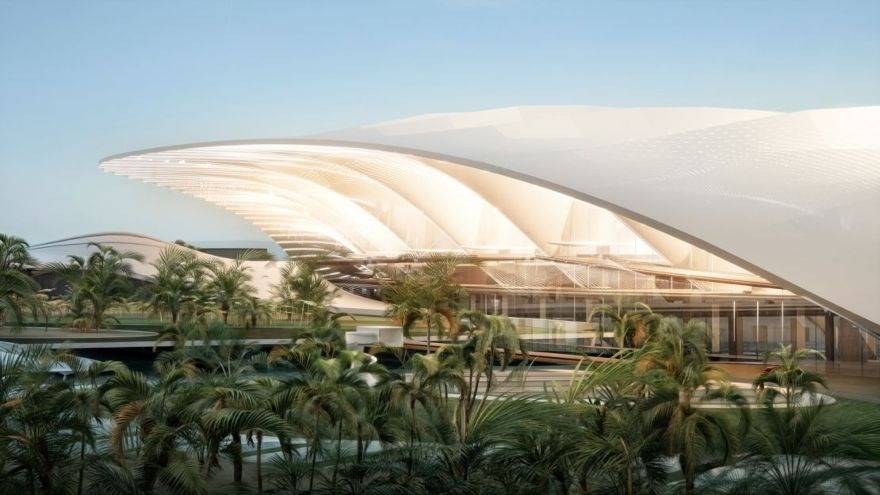
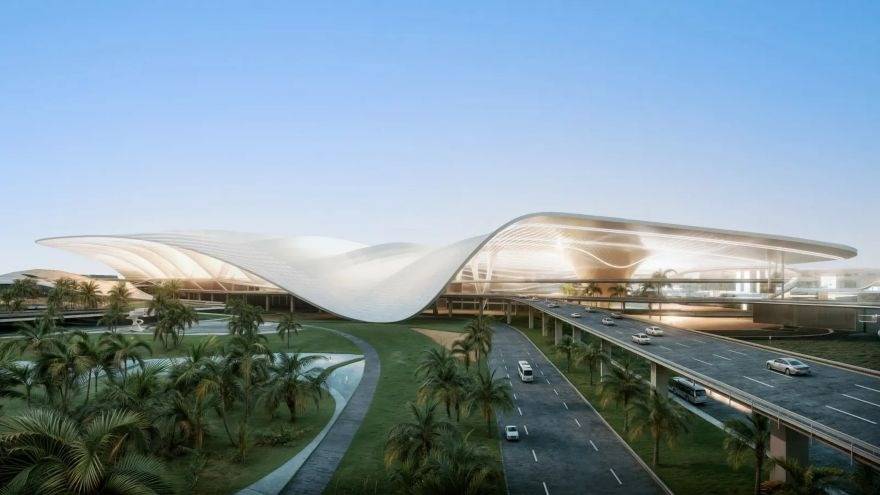
The passenger terminals are planned as expansive, open spaces incorporating internal forests, planted courtyards, vertical gardens and natural-light-filled areas. The architectural concept includes sweeping curved roofs and landscaped spaces designed to create an airport environment that feels more like an urban destination than a conventional terminal.
Beyond security
Al Maktoum’s queue-free vision extends beyond passenger screening. Dubai is also commissioning a large Automated People Mover to connect parts of the development, with Arabian Business reporting a 50-kilometre driverless underground network serving nine stations.
Separate reporting has referred to a wider 14-station underground multi-track system in the airport’s longer-term 2032 vision, making the exact final station count subject to further official clarification.
The airport is being developed as part of the wider Dubai South expansion, with extensive logistics, commercial and aviation-related infrastructure planned around it. The broader development is expected to support hundreds of thousands of jobs and accommodate substantial residential growth.
An Emirates engineering complex is also under construction as part of the wider aviation expansion. The $5.1 billion facility is planned to include a 285-metre-wide free-span hangar and capacity to service 28 wide-body aircraft simultaneously.
Moving from DXB
Al Maktoum’s first-phase operations are targeted for 2032, but Dubai International Airport will not disappear overnight. Passenger traffic is expected to shift from DXB to the new airport in phases during the years that follow.
That means travellers will continue using Dubai International for years, while the technologies being tested there help shape the systems planned for Al Maktoum.
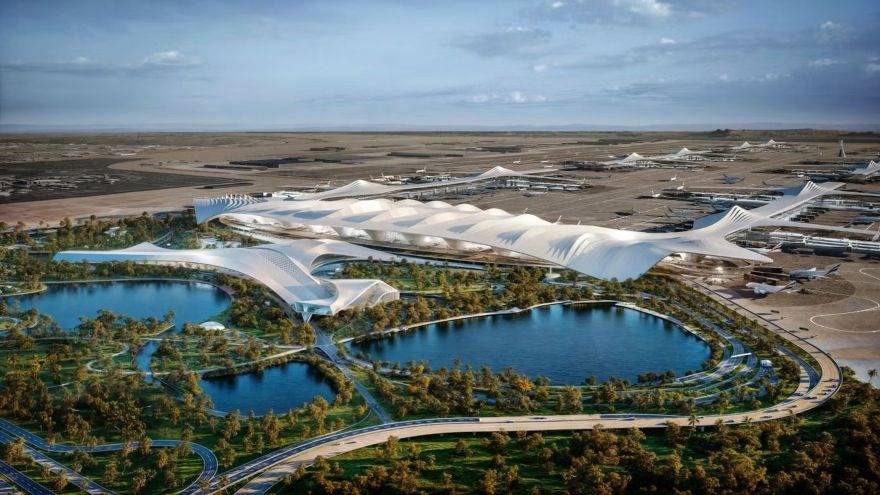
When fully developed, the new airport is planned to combine enormous passenger and cargo capacity with automated transport, biometric processing and AI-powered security, turning the removal of queues into one of the defining features of Dubai’s next aviation hub.